

A doctor ‘burnout’ rises to 40% and made worse by bureaucracy, increasing risks to patients
Among the recent hype surrounding the US presidential election and its aftermath, it would have been easy to miss a piece of bad news buried in your Medscape newsfeed.
The The 2020 Doctors’ Burnout and Lifestyle Survey survey indicates:
- 40% of young doctors feel burned out
- Overall the percentage has nearly doubled from 22% in 2018
- 63% feel that their burnout has increased as a result of COVID-19
- 41% believe a lack of respect is the primary cause
- 39% believe the principle reason is **too many bureaucratic tasks**
Before we counter that such a well-paid stratum of society should perhaps not complain too much, we should remember that the experience of being stressed, unable to cope or burned-out is no less real just because you earn more than the national average.
And the problem is compounded because doctors are not the only victims. Burnout and stress has real and detrimental effects on patient safety.
My own experience in early training, in the 1990s, led me to quit medicine for 5 years. I knew that after a 95-hour working week, I was unsafe. Perhaps now, that sort of regime is no longer tolerated, or even legal, but we should still not underestimate the negative effect on patients of doctors under stress.
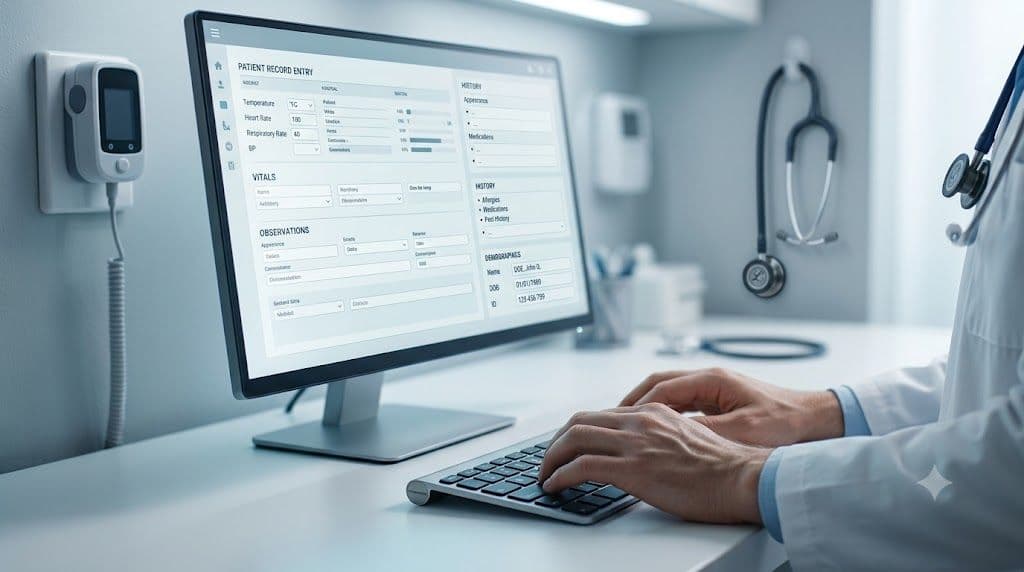
Even back then, my own experience reflected what doctors are saying now: a lack of care and respect from colleagues and an unending amount of hopeless paperwork. And, in those days, it was paperwork. Today, it’s more likely to be time wasted in front of a screen.
This is part of the reason that we created the CAREFUL platform – to provide the high-quality user experience that we all expect as electronic consumers and to streamline some of the most tedious tasks associated with patient management.
It is also the reason why I have spent much time working with colleagues to encourage healthcare leadership based on kindness and compassion.
Our patients deserve doctors who are well rested and well supported.
Shane McKeown
Author
Categories
Related Articles

Are we seeing Innovation for All?
Despite the fanfare of digital transformation, many NHS technology programmes still fail to scale

The EMR was built around billing. That's been bad for patients and staff.
Most clinicians now spend more of their working day at a screen than with patients. This is not by accident. It is by design. An immediate and radical shift of perspective is needed to improve the digitisation of healthcare.
What's the difference between an EMR, EPR and EHR?
EMR, EHR, EPR — three acronyms, endless arguments, and no one fully agrees. The real reason for the confusion isn't complexity — it's geography. But beneath the jargon sits a bigger question, one your record system was never built to answer.